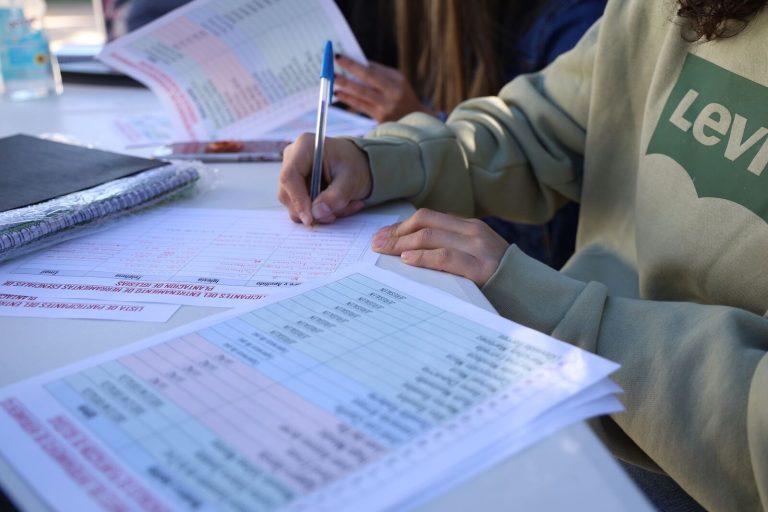
Every year, a steady stream of new case material packages arrives at the case center of CEIBS (China Europe International Business School): the case itself, a teaching note, a similarity report, the case information form, and various commitments and authorization letters. Before any package reaches expert review, it must first pass a tedious and strict first review — a step that now has an AI assistant.
Checking one package by hand, from start to finish, takes roughly three to four hours: author details verified field by field against the form, the submission compared with years of past records to screen out duplicates, the author’s school traced through its board grouping and institutional level — and the anonymity check and the confirmation of stamps and signatures are steps where an error simply cannot be afforded. It is precisely these “one pass will do” checks that fatigue lets slip most easily. As material piles up, the first review becomes the most labor-hungry part of the case center’s work.
The first-phase approach was to build a dedicated case-checking skill inside CEIBS’s WorkBuddy app: the review standards the case center has accumulated over the years were written into rules, and school information, past submissions and review experts were organized into a knowledge base — today it holds more than 3,000 past submission records alone, covering over 6,000 institutions. A reviewer only needs to drop a package into the conversation, and the skill runs the checks automatically.
The skill starts by standardizing file names: the case, the teaching note and the similarity report each fall into place, keywords are added to file names, and commitment letters are skipped automatically. It then works through the checklist item by item — author tags, submission statistics, screening against possible past submissions, school board grouping, the author’s institutional level, the global CEIBS track, language identification, and more — giving a clear conclusion and the evidence behind it for every item, and finally rolls everything up into a structured results table of more than 200 columns, plus an item-by-item detail report.
AI is not doing our final review — it gets the most time-consuming first pass done: which items have issues, and on what evidence, listed right there in the table. We review the flagged items instead of turning pages.
Gan, CEIBS Case Center
Boundaries matter more than capability here. The skill drew its limits at the design stage: it assists detection and does not replace expert review; its scope can be trimmed by configuration — the first phase turns on eight of the most basic and most frequent checks, to be extended toward all eighteen as the pilot feeds back; every conclusion keeps its evidence and an audit trail for human review and traceability. Case materials are unpublished and confidential, so the skill processes them only inside the authorized environment, and no sensitive original text is kept beyond the check details.
The skill is now in pilot on the CEIBS WorkBuddy app, running AI-assisted checks on the latest batch of case submissions. For the case center, the goal of the first review is practical: turning three to four hours of manual checking per package into a first pass by AI and a human review of the key items — freeing that time for the review step that truly needs professional judgment.