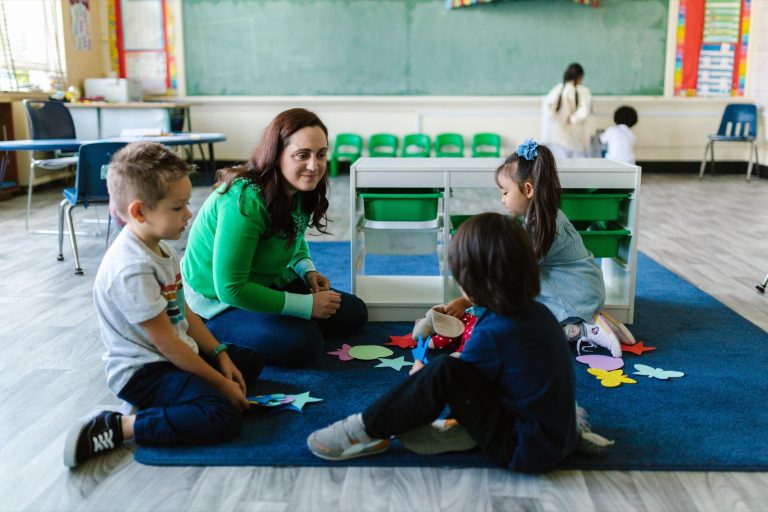
At Hehuachi Kindergarten, art is more than a subject: drawing, rhythm and movement, performance, crafts — children have the chance to express themselves artistically every day. As classes multiply, children multiply, and art activities multiply, every child’s performance in those activities is different. How to observe these performances systematically and carry the evaluation through — rather than leaving them scattered across paper forms and photo albums in individual teachers’ hands — has become a long-standing task for the kindergarten’s teaching research and management.
Challenge
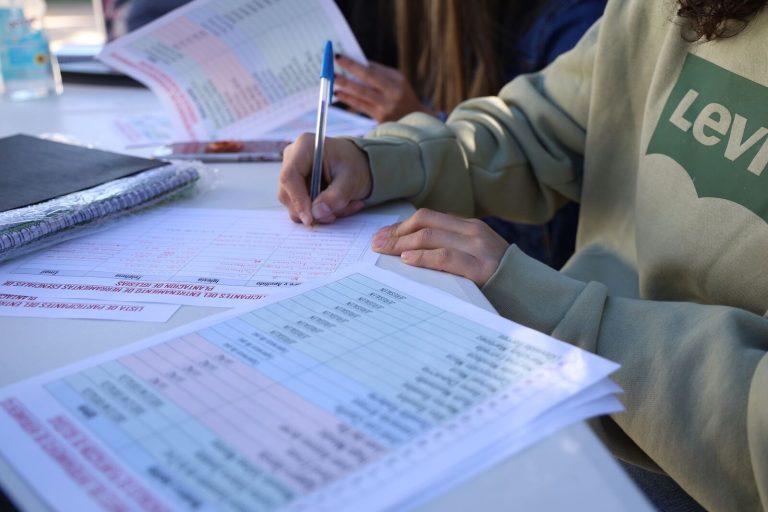
Assessing young children’s artistic performance rests on teachers’ observation. That observation used to live on paper observation forms: over one assessment cycle, each teacher scored dozens of children in the class item by item and wrote observation notes, while the photos sat in each teacher’s phone. On the academic affairs side, finding out who had finished assessing and who had not meant going class by class to ask and follow up, before collecting every record across the kindergarten and compiling them by hand.
The problem went beyond the cumbersome workflow, into what was being missed: records scattered across paper and albums, star ratings and photos that often failed to match up; one child’s performance in art activities across a semester was hard to assemble into a complete picture; and the data, once assessed, piled up in filing cabinets where teaching research could hardly put it to use.
Solution
The art assessment mini program was co-developed by Hehuachi Kindergarten and Cloud Coach. One assessment cycle starts from a “batch”: the academic affairs office creates a new batch on a phone, chooses the scoring sheet, sets start and end dates, and checks which classes take part by base curriculum or club program — giving every assessment a clear time span and coverage.
Scoring sheets are chosen by the purpose of the assessment: dimension sheets built around “perceiving and appreciating” and “expressing and creating”, as well as numbered indicators that can be freely combined into a checklist — from “choosing materials and forms of expression, with a desire to explore” and “generating artistic ideas” to “presenting, explaining, and evaluating artworks and performances”. The teacher-side workflow is short: enter the class, check the indicators to assess this time, rate each child’s performance on every one out of five stars, write a sentence or two of “observation notes”, attach photos from the activity, and submit. Assessment happens as the activity does; photos no longer sit in albums but attach to a specific child’s specific indicator.
Progress stays visible throughout. Under a batch, each class’s completion rate, each child’s progress, and how many children are not yet fully assessed all update on the page in real time — who still has assessments outstanding is clear at a glance. All past assessments accumulate by teacher and by date, ready to review at any time.
Outcome
The first change lands on “completeness”: a cycle that once ran on chasing and hand-compiling now updates its completion rate in real time, with the list of children not yet fully assessed laid out on the page — how much coverage a cycle has reached, and where it stands, can be seen from a phone. The second lands on “substance”: every record carries stars, written notes, and photos, and a child’s artistic performance turns from an impression into a record that can be revisited and compared — by the end of a semester, every child has a complete archive of artistic growth, and the kindergarten’s teaching research and curriculum planning gain evidence they can act on.
When a round of art assessments came back, just checking who had assessed whom took real effort, and photos failing to match records was routine. Now each batch’s progress sits on the page in real time — completion rates and outstanding assessments at a glance. Every record is stars plus observation notes plus photos, so when a child comes up in a teaching-research meeting, we pull up the record and look. Assessment has turned from an end-of-semester task into something teachers finish in the flow of the day.
Yu Xiaoqi, Director of Academic Affairs, Hehuachi Kindergarten
Art activities happen here every day. When every observation lands on a specific indicator and every child’s growth is backed by words and photos, art assessment stops being a once-a-semester compilation and becomes the record that accompanies everyday teaching itself.