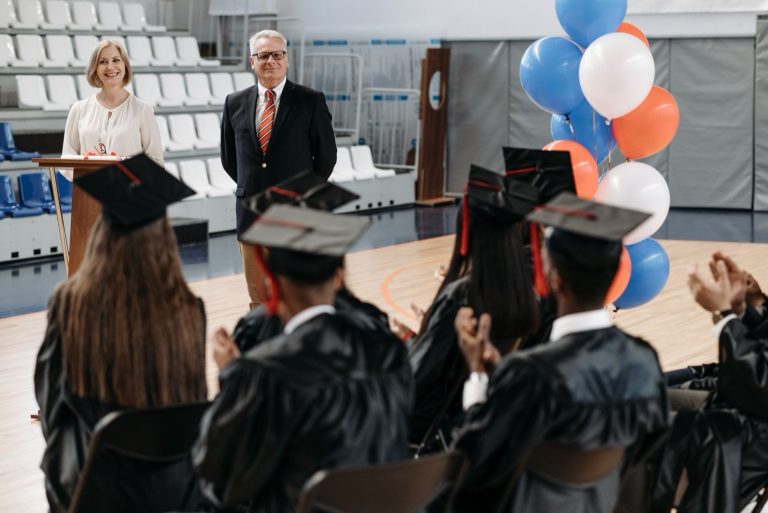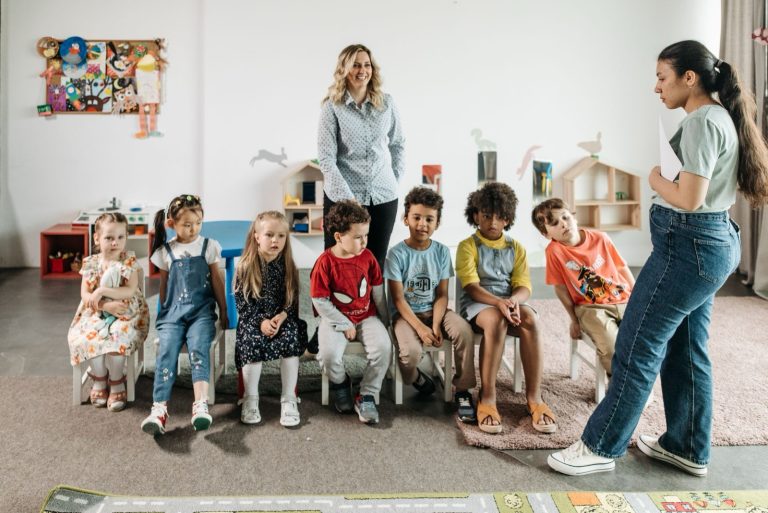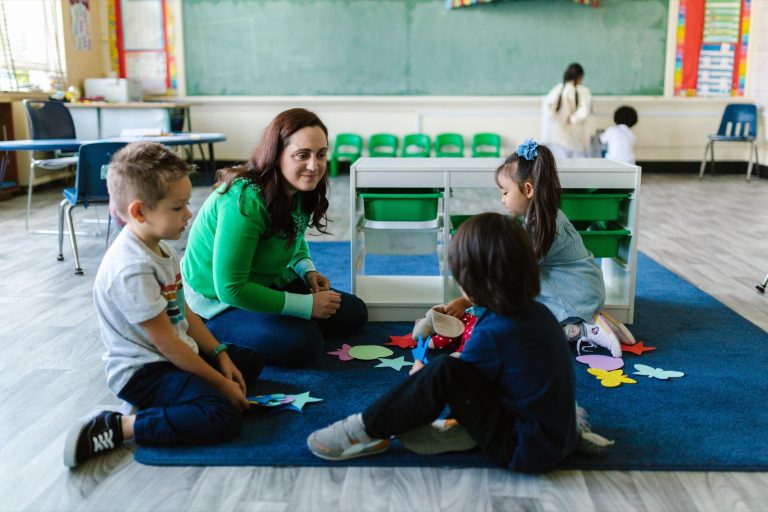
Shanghai Yangpu Bilingual School was founded in 2001 as Shanghai International Studies University Bilingual School; in July 2006 it moved to its current campus at 351 Yongji Road in Yangpu District and took its present name. It began with a junior high division, added a primary division in 2005 and an international high school division in 2014, and is now a large private school spanning primary, junior high, and senior high (international curriculum stream), recognized by the Shanghai Municipal Education Commission as one of the city’s first bilingual experimental schools. Across three divisions, giving every teacher’s classroom consistent professional feedback has become a standing task for the school’s management.
Challenge
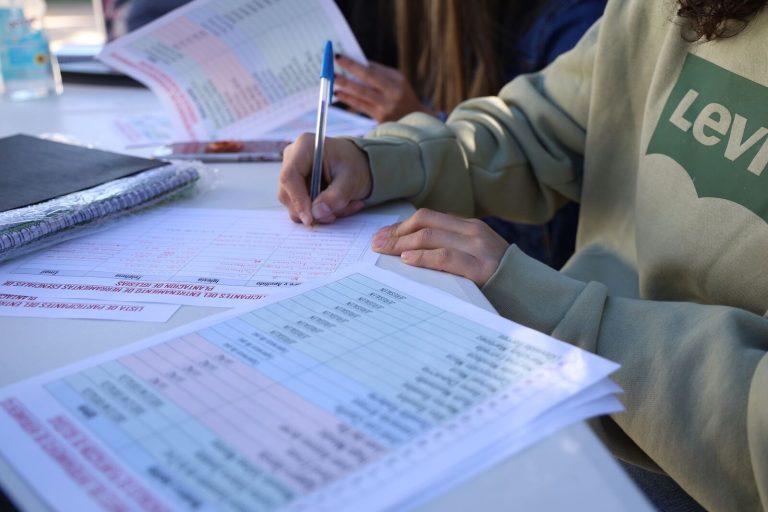
Lesson observation has always been the school’s most important lever for improving classroom teaching, and the expectations are explicit: mentoring pairs observe at least one lesson a week; department heads and administrators observe 15 lessons a semester. Research lessons run a fuller cycle — the teaching design is discussed before class, then the lesson is observed, evaluated, revised, and observed again. Organized observations by the academic affairs office and subject groups, along with recruitment demo lessons and young-teacher showcase lessons, used to come with a paper scoring sheet collected and compiled by the academic affairs office.
Access, however, was uneven. A young teacher within the first three years is observed often — once a week by a mentor, once a semester by the subject group — while an experienced teacher might be observed once in two years. Ordinary observations came with no evaluation form, and feedback was mostly a face-to-face conversation; after a group observation, only one or two teachers would typically respond.
Teaching also remains largely a personal practice. A teacher who wants to improve can draw on the subject group or outside experts only once or twice a semester, and day-to-day reflection on their own classroom lacked a tool to make it effective. Coverage through observations by the curriculum management office was limited in both staff and frequency, and with different subjects in play, the quality of evaluation tended to stay at a general level.
Solution
The classroom-evaluation application was co-developed by the school and Cloud Coach, starting in May 2026 and going live in September 2026. The workflow is short: a teacher uploads a lesson recording in Feishu, and AI transcribes the lesson and reads its teaching context — subject, topic, learning objectives, instructional approach, teacher-student interaction. Instead of impressionistic scores, it evaluates the class item by item against a rubric; when the evaluation completes, the teacher receives a Feishu notification.
Three rubrics are available, chosen by the purpose of the observation: the school’s own learner-centered classroom evaluation form (德智融合——以学习者为中心的课堂评价表), plus two from Cognia — the Teacher Observation Tool and the Effective Learning Environments Observation Tool® (eleot® 2.0). eleot® 2.0, for example, breaks a classroom down into 7 learning environments and 28 observable indicators, with every score tied to observable classroom evidence. Each evaluation comes back as one piece of feedback: what worked, how the next lesson could grow, and a concrete next step.
Outcome
The first change shows up in frequency: an experienced teacher who might once be observed once in two years can now upload a lesson recording and get an evidence-backed evaluation back. As Gong Ming, vice principal of Shanghai Yangpu Bilingual School, sees it, the evaluation AI produces is comprehensive and detailed — far beyond the granularity and the quality of suggestions that everyday peer observation reaches — so teachers can reflect on their own teaching daily and keep improving.
The ledger on the management side is equally clear. The curriculum office once struggled to see teachers’ current strengths, growth, and pain points in any depth; now every evaluated lesson leaves a record against the chosen rubric, and understanding and supporting teachers has shifted from depending on chance to depending on records.
The school plans to bring AI lesson evaluation into its curriculum management system, moving it from a daily tool for young teachers and voluntary use by some to a school-wide mechanism. Lesson observation itself is unchanged: the weekly mentoring observation continues, and so does the full research-lesson cycle from pre-lesson design discussion to revision and re-observation.
AI lesson evaluation and teacher-to-teacher observation are not substitutes; they complement each other. When teachers observe each other, they notice the details of students and colleagues in a real classroom — the human environment. AI works the loop of objectives, process, and evaluation, with professional analysis and suggestions of real quality.
Gong Ming, Vice Principal, Shanghai Yangpu Bilingual School
Across three divisions, classes happen every day. When every lesson has the chance to be reviewed seriously and every teacher’s growth leaves a trace, classroom evaluation can keep pace with the classroom itself.